Planet Zoo 2 Sumatra Reserve: Tropical Rainforest Restoration Guide
The Sumatra reserve in Planet Zoo 2 holds 15 releasable species, led by the Sumatran Tiger, Sumatran Orangutan, and Sunda Pangolin. Full list inside.
If the African reserves are Planet Zoo 2’s savanna playgrounds, Sumatra is its conscience. This Asian tropical reserve packs only 15 releasable species, but the list reads like the endangered species charts of real conservation NGOs — and it forces you to use nearly every new system the sequel adds, from walk-through aviaries to fully aquatic exhibits.
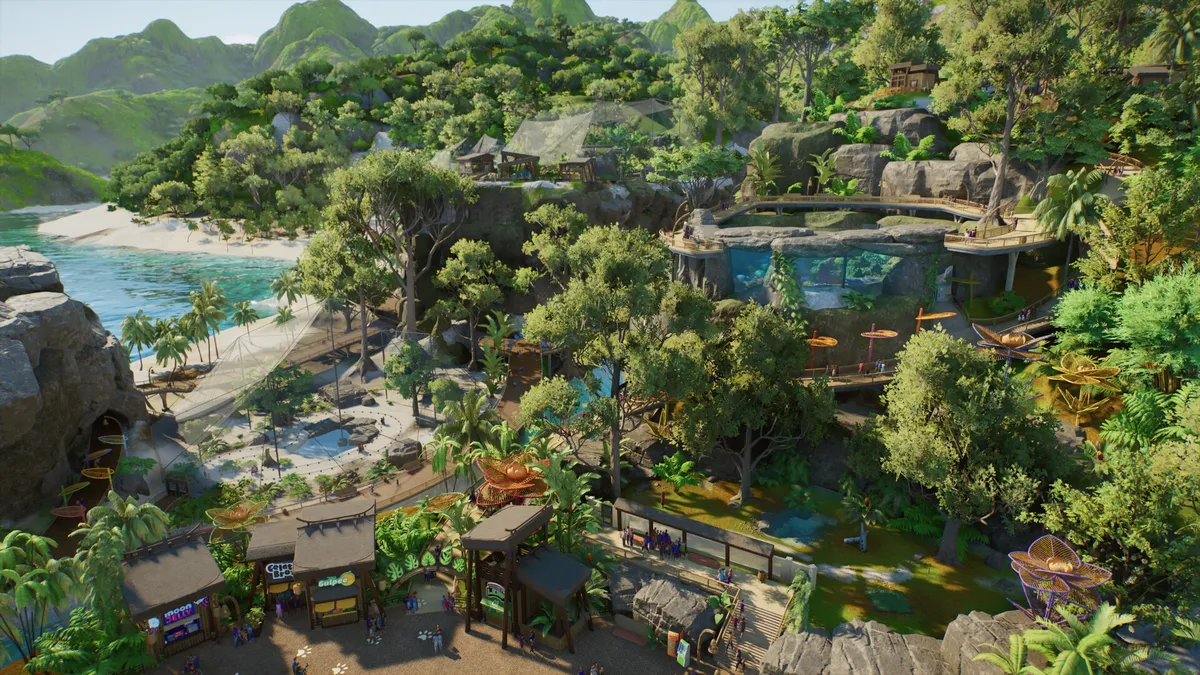
What Is the Sumatra Reserve in Planet Zoo 2?
Sumatra is one of six Wildlife Reserves in Planet Zoo 2, located in Asia with a Tropical biome. It follows the same loop as every reserve: restore damaged wilderness, breed genetically viable release cohorts in your zoo, reintroduce them into the wild, and monitor the recovering ecosystem with research outposts, camera traps, and acoustic monitors. Successful releases pay Conservation Credits toward zoo technology, rare genes, and your global conservation ranking.
The tropical framing matters. Where the Great Rift Valley restores open savanna, Sumatra asks you to rebuild a layered rainforest web — canopy, understory, rivers, and swamps — which changes which of your zoo’s animals matter.
Which Animals Can You Release in Sumatra?
The reserve accepts 15 species, all native to Southeast Asian rainforest ecosystems:
- Mammals: Asian Elephant, Asian Small-Clawed Otter, Binturong, Malayan Tapir, North Sulawesi Babirusa, Sumatran Orangutan, Sumatran Tiger, Sun Bear, Sunda Pangolin
- Birds: Great Hornbill, Long-Tailed Parakeet
- Reptiles & Fish: Saltwater Crocodile, Clown Loach, Giant Gourami
Three names anchor the whole reserve. The Sumatran Tiger is the smallest living tiger subspecies and critically endangered in the wild, with only a few hundred individuals left — a real-world status that makes every in-game release feel consequential. The Sumatran Orangutan brings genuine rainforest engineering to the theme: orangutans disperse seeds across the canopy, so their return is a stand-in for forest recovery itself. And the Sunda Pangolin, the world’s most trafficked mammal, is a coup for Frontier’s roster — a species almost no zoo game has ever simulated, let alone let you rewild.
How Does Rainforest Restoration Differ from Savanna Rewilding?
The African reserves reward volume: big herds, broad species lists, fast cohort turnover. Sumatra rewards depth. With only 15 species, each one carries more ecosystem weight, and the food web is tighter — the Sumatran Tiger as apex predator only makes sense once deer-sized prey analogs like the Malayan Tapir and Babirusa are established. Expect the game to push you toward complete-web thinking rather than single-species showcases.
The species list also leans hard on Planet Zoo 2’s new exhibit types. The Great Hornbill and Long-Tailed Parakeet pull your aviary systems into the reserve loop, while the Clown Loach and Giant Gourami do the same for aquatic exhibits. No other reserve at launch exercises this many zoo subsystems at once.
Which Zoo Programs Should Feed the Sumatra Reserve?
A practical release pipeline for Sumatra looks like this:
- Foundation stock first. Asian Elephants, Wild Boar-adjacent generalists like the Babirusa, and the fast-breeding otters build early credit income.
- Aviary cohorts in parallel. Hornbills and parakeets breed quickly and teach you the flying-bird side of release logistics.
- Flagship predators last. Tigers are your prestige releases — long breeding timelines, heavy genetic demands, and the biggest conservation payoff. Our animal list tracks every species confirmed for launch.
- Don’t sleep on the pangolin. Sunda Pangolins will likely be among your slowest, most specialized breeding programs; starting their genetic line early is the kind of long-range planning the reserve system rewards.
Why Does Sumatra Matter for the Whole Reserve System?
Sumatra is the reserve where Planet Zoo 2’s fantasy meets its message. Real Sumatran forests are under acute pressure, and the species on this list — tiger, orangutan, pangolin, tapir — are precisely the animals real-world conservation breeding programs focus on. Frontier’s choice to make them the core of an entire reserve, complete with research outposts and population monitoring, mirrors how actual reintroduction projects work, from genetic management to post-release tracking.
It is also the natural second step after the African savanna. The Great Rift Valley teaches you the loop; Sumatra teaches you its depth. When you’re ready to compare, the complete reserves guide maps all six locations side by side.
What Real Conservation Stories Sit Behind Sumatra’s Species?
Sumatra’s release list reads like the IUCN’s priority spreadsheet. Sumatran Tigers number only a few hundred in the wild, confined to shrinking forest fragments. Sumatran Orangutans lost huge habitat to palm oil expansion and are classified critically endangered. Sunda Pangolins are the most trafficked mammals on Earth, poached for their scales. Even the supporting cast carries real weight: Sun Bears are the world’s smallest bears and heavily pressured by the pet trade, Malayan Tapirs are endangered across their range, and the Siamang — the reserve’s loudest primate — is threatened by the illegal wildlife trade. Real Sumatran conservation programs run on exactly the loop Planet Zoo 2 simulates: captive breeding, genetic management, and monitored releases. The game is not exaggerating when it frames this reserve as its hardest restoration story.
How Should You Structure a Sumatra Zoo?
Sumatra rewards zoos built like the rainforest itself — vertical and layered:
- Canopy aviaries for the Great Hornbill and Long-Tailed Parakeet, high and planted dense.
- Lush tropical habitats for the Orangutan, Siamang, Binturong, Sun Bear, and Tapir, with climbing structure front and center.
- River and swamp exhibits for the Asian Elephant, Otters, Crocodile, and the two fish species.
- A quiet specialist wing for the Sunda Pangolin — solitary, nocturnal, and likely the most demanding breeding program on the list.
If you are still learning the sequel’s systems, work through the beginner guide before committing to a full Sumatra pipeline; this reserve assumes you can already run multi-generation breeding plans.
Sumatra Reserve FAQ
How many animals can I release in Sumatra? Fifteen species at launch — the smallest count of the Asian and African reserves, but with the highest concentration of critically endangered flagships.
Are the Sumatran Tiger and Orangutan really in the game? Yes — both are on the confirmed release list for the Sumatra reserve, alongside the Sunda Pangolin and Sun Bear.
Does Sumatra use the new aviary and aquarium systems? The release list includes two bird species and two fish species, so building viable cohorts here requires both aviary and aquatic breeding programs in your zoo.
Sumatra is where Planet Zoo 2 stops being a management sandbox and starts making an argument: that zoos, genetics, and science can put a rainforest back together. Fifteen species is a small list with an outsized job.
Related Articles
animals
Planet Zoo 2 African Wild Dog: Pack AI and Social Needs Guide
Planet Zoo 2 African wild dog guide: pack hunting behaviour, social group management, and how to release painted wolves to the Great Rift Valley reserve.
animals
Planet Zoo 2 Giant Panda: Conservation, Breeding and FEN Economics
Planet Zoo 2 giant panda guide: official Zoopedia stats, why this Vulnerable bear anchors the Fauna & Ecosystems Network conservation economy.
game-modes
Planet Zoo 2 Career Mode: The FEN Global Adventure Explained
Planet Zoo 2 Career mode sends you around the world with FEN, the Fauna and Ecosystems Network, to build zoos and rewild Wildlife Reserves.
Was this helpful?
Thanks for the feedback!