Planet Zoo 2 Great Rift Valley Reserve: Every Animal You Can Release
The Great Rift Valley is Planet Zoo 2 Career mode starting reserve, with 27 releasable African savanna species. Here is the full release list and loop.
The Great Rift Valley is the first Wildlife Reserve most Planet Zoo 2 players will ever see — Frontier has confirmed that Career mode opens here, making it the game’s tutorial for the entire rewilding loop. Set in an African grassland savanna, it is also one of the largest reserves at launch, accepting 27 different species.
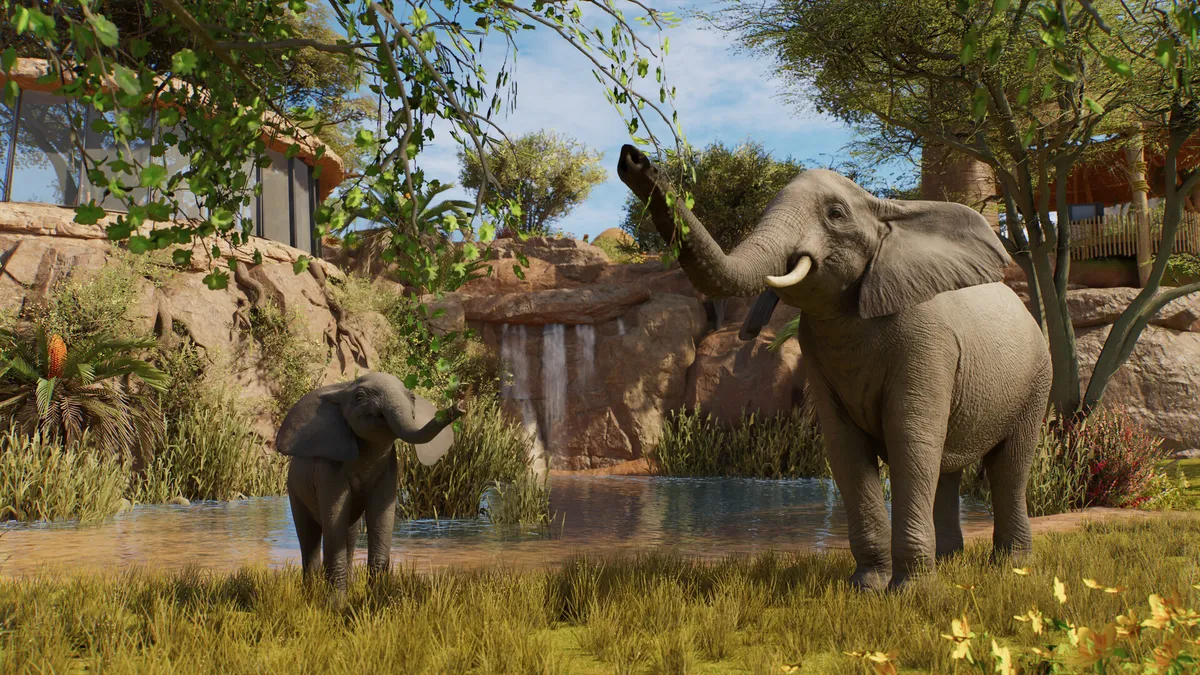
What Is the Great Rift Valley Reserve in Planet Zoo 2?
The Great Rift Valley is one of six Wildlife Reserves in Planet Zoo 2, located in Africa with a Grassland/Savanna biome. Like every reserve, it is a damaged wilderness tract your zoos help restore: you breed animals, prepare genetically viable release cohorts, reintroduce them into the wild biome, and monitor the result with a scientific research network of outposts, camera traps, and acoustic monitors. Every successful release pays Conservation Credits that unlock zoo technology, rare genetic lines, and global ranking progress.
What sets the Great Rift Valley apart is accessibility. Because Career mode begins here, its ecosystem doubles as a structured introduction to breeding for genetic viability — the single most important skill the reserve system tests.
Which Animals Can You Release in the Great Rift Valley?
The reserve accepts 27 species, all native to African savanna ecosystems:
- Mammals: Aardvark, African Leopard, African Savannah Elephant, African Wild Dog, Black Rhinoceros, Black Wildebeest, Blue Wildebeest, Cape Buffalo, Common Hippopotamus, Common Warthog, Gemsbok, Lion, Masai Giraffe, Meerkat, Nyala, Plains Zebra, Reticulated Giraffe, Sable Antelope, Spotted Hyena, Springbok
- Birds: Greater Flamingo, Secretarybird, Shoebill, White-Backed Vulture
- Reptiles & Fish: Nile Monitor, African Tigerfish, Blunthead Cichlid
The list reads like a who’s-who of the Planet Zoo 2 animal roster: Africa’s iconic megafauna sits alongside smaller specialists, and the inclusion of fish like the African Tigerfish and Blunthead Cichlid means your release cohorts will draw on the game’s new aquatic exhibit systems, not just traditional habitats. If a species appears in Career mode early, it is very likely on this list.
How Does the Conservation Loop Play Out Here?
The Great Rift Valley teaches the five-step reserve loop in its purest form:
- Breed savanna animals in your zoo with an eye on long-term genetic health.
- Assemble viable cohorts — Frontier emphasizes that release groups must be genetically viable, so shallow, inbred lines will not carry you.
- Transfer the cohort to the reserve.
- Reintroduce the animals into the valley’s wild biomes.
- Deploy research infrastructure — outposts, camera traps, acoustic monitors — to track how the reintroduced population settles in.
Because Career mode starts you here, expect the scenario structure to walk you through each step with guided objectives before turning you loose.
Which Releases Should You Prioritize First?
Without inventing hard numbers, a sensible progression logic falls out of the species list itself:
- Start with high-fecundity generalists. Zebras, wildebeest, and warthogs breed readily and build your credit income quickly, funding everything else.
- Pair predators with prey. Releasing Lions, Leopards, Hyenas, and African Wild Dogs makes sense once hoofed game is established — our African Wild Dog page covers one of the reserve’s flagship predator programs.
- Treat megafauna as projects. Elephants, Hippos, and Rhinos are slow, prestigious long-term goals that anchor the ecosystem.
- Don’t ignore the small stuff. Meerkats, birds, and the two fish species round out a believable savanna web — and the aquarium species double as practice for aquatic exhibits.
How Does Great Rift Valley Compare to Tanzania?
The other African reserve, Tanzania, shares most of the same savanna cast — 26 of the Great Rift Valley’s 27 species also appear there — but adds the Common Ostrich and Thomson’s Gazelle while dropping the Meerkat, for 28 releasable species in total. In practice: species you breed for the Great Rift Valley will transfer almost one-to-one to a later Tanzania program, so nothing you raise here is wasted. See the full guide to all six reserves for the complete cross-reserve tables.
What Real-World Conservation Inspires the Great Rift Valley?
The reserve borrows its premise directly from real African restoration science. Eastern Africa’s rift valley grasslands are among the most studied ecosystems on Earth, and the species on the release list map onto genuine conservation stories: Black Rhinos are the continent’s most famous poaching-recovery headline, African Wild Dogs are endangered across their range and depend on exactly the kind of large, connected wildlands this reserve represents, and White-Backed Vultures have suffered catastrophic population crashes across Africa. Meerkats and Secretarybirds, meanwhile, anchor the small-animal web that savanna restoration projects increasingly recognize as just as important as the megafauna. Planet Zoo 2’s research network — camera traps and acoustic monitors tracking released animals — mirrors how real projects measure whether reintroductions are actually working.
Which Zoo Habitats Should You Build First?
Your Great Rift Valley pipeline starts at home in the zoo. A practical build order:
- Open savanna habitats for Zebra, Wildebeest, and Warthog — high-output breeders that fund everything else.
- Mixed woodland edges for Nyala, Bushbuck-style browsers, and the Sable Antelope.
- A dedicated predator wing for Lions, Leopards, Hyenas, and the African Wild Dog, with breeding lines planned generations deep.
- Water features for Hippos, Crocodilians’ cousins like the Nile Monitor, and the two fish species, which run through the new aquatic system.
Good habitat design is not cosmetic here — stressed, poorly housed animals will not produce the healthy offspring viable cohorts demand.
Great Rift Valley FAQ
Is the Great Rift Valley the Career mode starting reserve? Yes — Frontier has confirmed Career mode begins at the Great Rift Valley, making it the game’s on-ramp to the Wildlife Reserves system.
Which biome does the reserve use? Grassland/Savanna, matching the real East African rift landscape it is modeled on.
Can I release aquarium species here? Yes — the African Tigerfish and Blunthead Cichlid are on the release list, tying into Planet Zoo 2’s new fully aquatic animals.
The Great Rift Valley is where your zoo stops being a collection and starts being a conservation engine. Build genetically healthy savanna breeding lines, and the valley will come back to life under your research network’s cameras.
Related Articles
animals
Planet Zoo 2 African Wild Dog: Pack AI and Social Needs Guide
Planet Zoo 2 African wild dog guide: pack hunting behaviour, social group management, and how to release painted wolves to the Great Rift Valley reserve.
animals
Planet Zoo 2 Giant Panda: Conservation, Breeding and FEN Economics
Planet Zoo 2 giant panda guide: official Zoopedia stats, why this Vulnerable bear anchors the Fauna & Ecosystems Network conservation economy.
game-modes
Planet Zoo 2 Career Mode: The FEN Global Adventure Explained
Planet Zoo 2 Career mode sends you around the world with FEN, the Fauna and Ecosystems Network, to build zoos and rewild Wildlife Reserves.
Was this helpful?
Thanks for the feedback!