Planet Zoo 2 Beginner Guide: Your First 3 Hours
A timeline-based Planet Zoo 2 beginner guide covering your first three hours: tutorials, your first habitat, guest facilities, economy, and breeding.
Planet Zoo 2 gives you 130 species, full aquatic habitats, walk-through aviaries, and sprawling Wildlife Reserves — and it can feel like a lot on day one. This guide ignores the encyclopedia approach. Instead, it walks you through your first three hours minute by minute, so you always know what to do next.
What Should You Do in the First 30 Minutes?
Start in Career mode. The FEN (Frontier Education Network) career scenario acts as an extended, hands-on tutorial: it introduces placement, pathing, and animal care one system at a time instead of dumping every menu on you at once. Even if you are a Planet Zoo 1 veteran, play through the opening career chapter — several systems, especially aquatics and aviaries, are new in this sequel.
During this window, focus on three things:
- Follow the objective list instead of improvising. Early career objectives teach you the exact workflow the game expects.
- Learn the habitat placement tool by building the small starter habitat the scenario asks for. Pay attention to barrier height, terrain editing, and the habitat boundary readout.
- Open the animal market once and browse — do not buy yet. Get a feel for which species are cheap, social, and forgiving.
If you would rather build freely from minute one, Sandbox mode removes money pressure entirely, and our habitat design guide covers enclosure layout in depth. But for a first session, Career is the shortest path to competence.
How Do You Build Your First Habitat (30–90 Minutes)?
Your first self-built habitat is the moment the game clicks. Pick a forgiving starter species from the full animal list — look for animals with modest space and social needs rather than a headline species like the giant panda.
A functional early habitat has five parts:
- A barrier that matches the species. Different animals need different barrier types and heights. The game flags inadequate barriers, so trust the warnings.
- Terrain and vegetation from the animal’s native biome. Animals judge their environment, and welfare in Planet Zoo 2 is built on four pillars: nutrition, social needs, environment, and enrichment.
- Food and water stations placed where keepers can reach them easily. Keeper pathing matters more than it looks.
- At least one enrichment item. Enrichment is an official welfare pillar, and a bare habitat will drag your rating down even if everything else is right.
- A shelter so animals can retreat from view and weather.
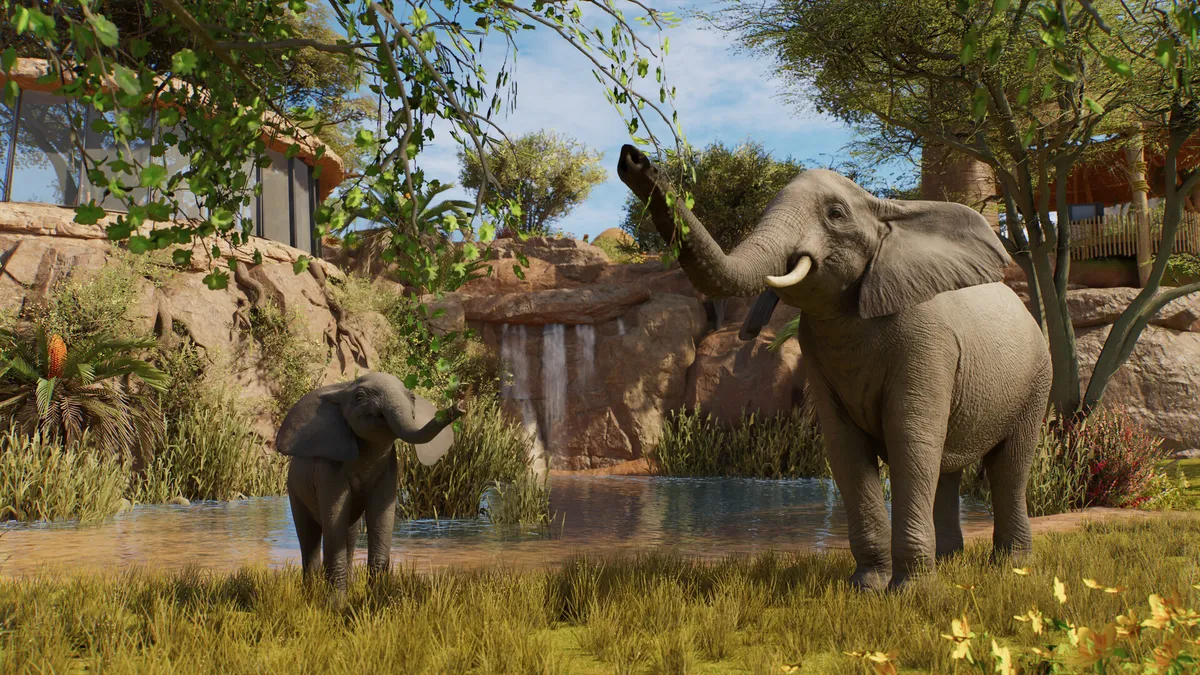
Watch the animal’s welfare readout after they move in. If nutrition or social needs dip, fix those first — they affect everything downstream, including guest happiness and zoo rating.
How Do You Get Guests Spending (1–2 Hours)?
Once an animal is on display, guests arrive — and guests are your income. The official economy loop in Planet Zoo 2 is simple: build habitats, attract guests, boost your zoo rating, earn money, and expand. Your job in the second hour is to make sure the money guests bring actually reaches you.
Place these near your first habitat, connected by paths:
- A shop or two. Shops and amenities are the confirmed way to convert foot traffic into income — guests buy food, drinks, and souvenirs when they pass them.
- Benches, bins, and toilets along the route. Guest comfort keeps them in the zoo longer, and longer stays mean more spending.
- An educational opportunity near the habitat — an information board or speaker. Education is an officially confirmed mechanic, and educated guests are happier guests, which feeds directly into your zoo rating.
Do not overbuild. One cluster of facilities near one good habitat outperforms five half-empty buildings spread across the map. Keep staff lean too: one keeper, one mechanic, and one caretaker are plenty for a two-habitat zoo.
For the full picture on income systems, read the money-making guide.
What Should You Prepare in Hours 2–3?
By the third hour you should be stable: habitats hold welfare-positive animals, guests flow through a small but functional facility loop, and money trickles in. Now you set up the mid-game.
Start with breeding. Planet Zoo 2 supports breeding programs, and healthy offspring are useful both for your own zoo and — in Franchise mode — for trading animals with other players. Franchise is the mode where your zoo joins a shared online economy, and animal trading is officially confirmed. If long-term progression appeals to you more than scripted scenarios, Franchise is where most dedicated players settle.
Then look at expansion options:
- A second habitat for a species with different biome needs, which forces you to learn scenery theming.
- A first aquarium tank, if your map allows it. Aquatics are the sequel’s headline feature — our aquatic animals guide explains fresh versus saltwater setups.
- A walk-through aviary, built from barriers, support poles, and dynamic mesh covers.
One pacing tip for this phase: resist the urge to fix everything at once. Pick the single lowest welfare score in your zoo and improve only that, then move to the next. Planet Zoo 2’s systems interlock, so a targeted fix creates a visible ripple — in guest comments, in your rating, and eventually in your balance sheet.
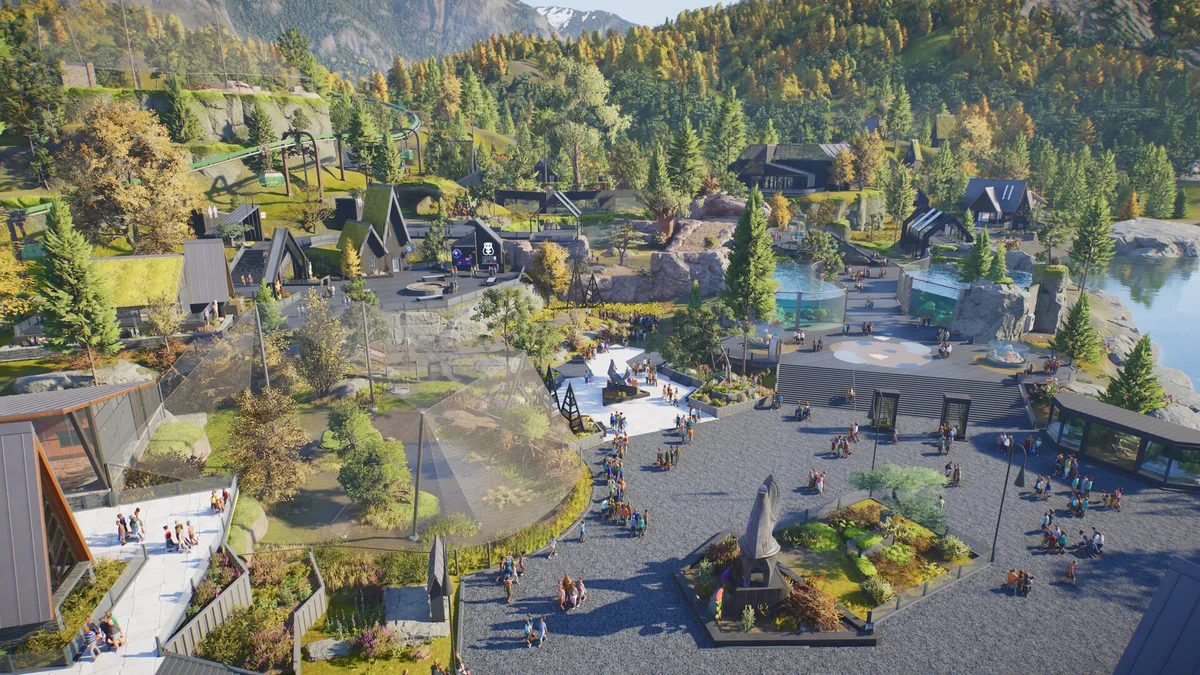
Finally, peek at the endgame: Wildlife Reserves are vast open landscapes where animals roam free-ranging rather than living behind classic barriers. You will not reach a reserve in three hours, but knowing what reserves offer shapes good early decisions — especially which species you breed and which conservation lines you invest in.
What Should You Do Right Now?
If you have not launched the game yet: start Career mode, build one small, welfare-positive habitat, add one shop, and stop expanding until the money graph trends up. If you have already played a few hours, the next step is the aquatic animals guide or the flying birds and aviary guide — the two systems that make Planet Zoo 2 more than a graphics upgrade.
Related Articles
guides
Planet Zoo 2 Aquatic Animals Guide: Aquariums Done Right
Complete Planet Zoo 2 aquatics guide: freshwater vs saltwater aquariums, confirmed species like Blacktip Reef Sharks, water care, and tank design tips.
guides
Planet Zoo 2 Flying Birds Guide: Building Your First Aviary
How to build walk-through aviaries in Planet Zoo 2: barriers, support poles, and dynamic mesh covers explained, plus confirmed birds like the Toco Toucan.
guides
Planet Zoo 2 Money Making Guide: Economy Explained
How money works in Planet Zoo 2: the official build-attract-earn-expand loop, shops and amenities, education income, and breeding animals to trade in Franchise.
Was this helpful?
Thanks for the feedback!